Introduction
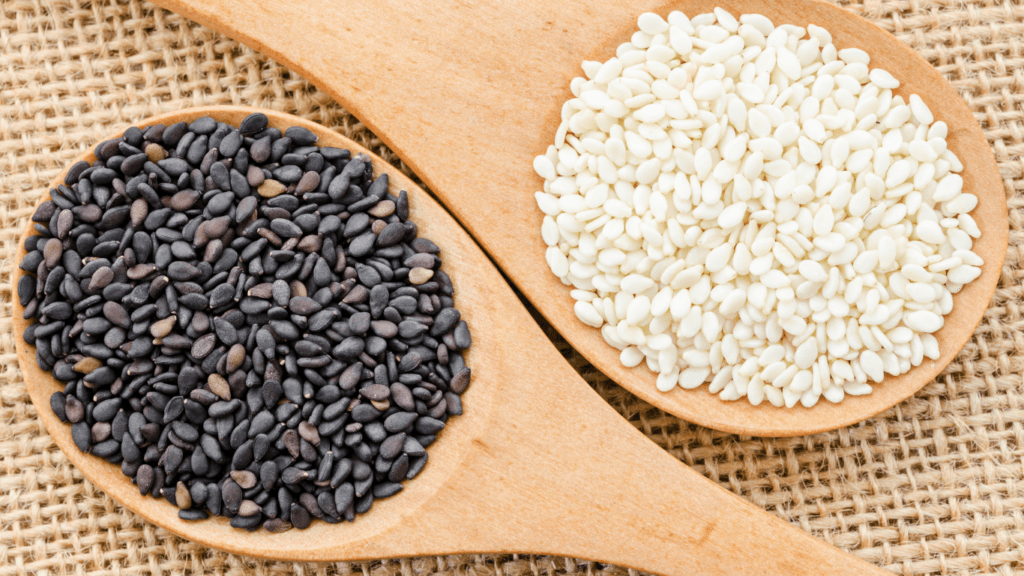
Sesame seeds are rich in fiber, healthy fats, and essential nutrients that support digestion, skin, and overall health. They are easy to include in daily meals and provide multiple health benefits. Let’s talk about what they contain and how they help us improve our health. Despite their small size, there are incredible sesame seeds benefits.
Whether sprinkled over dishes, blended into tahini, or consumed as oil, incorporating sesame seeds into your diet can be a simple yet effective way to enhance overall well-being.
Sesame Seeds Nutrition Facts & Value
Sesame seeds are a vital source of calcium, magnesium, and healthy fats, which are essential for overall health. According to research, sesame seeds are a nutrient-dense food that is rich in fiber, making them beneficial for digestion. Sesame oil is also packed with protein and antioxidants, which contribute to overall health. Moreover, the oil has been widely used in skincare due to its hydrating properties (USDA FoodData Central).
How Sesame Seeds Work in the Body?
When you eat sesame seeds, your body slowly breaks them down and absorbs their nutrients. These seeds are rich in healthy fats, fiber, minerals, and natural antioxidants. The fiber helps improve digestion and keeps your stomach feeling light, while healthy fats support energy levels. You can also read: Cumin Seeds Benefits: Uses, Nutrition, and Side Effects.
When consumed regularly in small quantities, sesame seeds support overall wellness by perfecting digestion, strengthening bones, and supporting immunity. You can also read: Chia Seeds Benefits, Uses, Nutrition & Side Effects.
Sesame Seeds Benefits for Health:
1. May Fight Infections
Sesame seeds contain antibacterial and antioxidant properties that help protect the body from viruses and diseases. The presence of antioxidants helps slow down cell damage, thereby improving immunity and preparing the body to fight infections (National Institutes of Health).
2. May Support Heart Health
Sesame seeds may benefit heart health by helping manage cholesterol levels and reducing inflammation. High LDL levels can lead to blockages in arteries, increasing the risk of heart disease. Sesame seeds contain plant compounds like lignans and phytosterols, which may help reduce cholesterol and improve overall cardiovascular function.
3. May Help Reduce Blood Pressure
As a rich magnesium source, sesame seeds support heart health by helping regulate blood pressure. Magnesium also plays a role in nerve function and blood sugar control (Mayo Clinic).
4. May Strengthen Bone Health
Sesame seeds are packed with essential minerals such as calcium, magnesium, manganese, and zinc. These minerals contribute to bone density and help prevent conditions like osteoporosis, especially as we age (USDA FoodData Central).
5. Boost the Immune System
Sesame seeds contain essential nutrients such as vitamin B6, vitamin E, iron, zinc, copper, and selenium. These elements support immune function, helping the body fight infections, bacteria, and viruses. If you’re looking for more spice-based remedies, you can also explore the benefits of cinnamon
How to Eat Sesame Seeds Daily?
Our grandparents had a deep-rooted connection with sesame seeds, using them in various home remedies and daily routines.

Sesame seed benefits for skin :
Many elders would massage warm sesame oil onto their joints to relieve pain and keep their skin nourished, especially during winter
Benefits Of Sesame Seeds for Hair Care:
Sesame oil was commonly used to massage the scalp, which is believed to prevent premature graying and promote thick, healthy hair.
Oral Health (Oil Pulling):
A popular Ayurvedic practice involves swishing sesame oil in the mouth for a few minutes every morning to promote oral hygiene and detoxification.
Healing Wounds:
The antibacterial properties of sesame oil make it a go-to remedy for treating minor cuts, burns, and dry skin.
Sesame Seed Benefits for Digestive Aid:
Sesame seeds were often roasted and eaten with jaggery to improve digestion and prevent constipation
Til Laddos (sesame seed balls) are winter delights that pack warmth and nutrition. These are made by dry-roasting sesame seeds, melting jaggery, and then mixing them together before rolling them into small balls. You can also read: Incredible health benefits of fennel seeds and how to use them.
Sprinkle on Your Food:
Sprinkle sesame seeds on salads, stir-fries, and yogurt for a crunchy texture and additional nutrition.
Sesame Butter/Tahini:
Blitz roasted sesame seeds till smooth for use as a spread or dressing.
Cooking with Sesame Oil:
Cook anything you normally would with sesame oil for flavor while receiving its health perks .
Frequently Asked Questions (FAQs)
Can I eat sesame seeds every day?
Yes, sesame seeds can be eaten daily in small amounts. About 1–2 teaspoons per day is generally enough to get their benefits without overconsumption
What is the best time to eat sesame seeds?
Sesame seeds can be eaten in the morning with breakfast, added to meals, or after lunch to support digestion and energy levels.
Are sesame seeds good for bones?
Yes, sesame seeds are rich in calcium, magnesium, and phosphorus, which help support bone strength when included in a balanced diet.
Can sesame seeds help with weight management?
Sesame seeds contain fiber and healthy fats that help control appetite and keep you feeling full for longer, which may support weight management.
Are there any side effects of sesame seeds?
Eating too many sesame seeds may cause digestive discomfort in some people. People with allergies, medical conditions, or on medication should consult a doctor. References Harvard T.H. Chan School of Public Health. “Sesame Seeds and Their Nutritional Benefits.”
Conclusion
Sesame seeds are not merely a crunchy garnish; they are a huge source of nutrients. These little seeds promote digestion and heart health, strengthen bones, and increase immunity, which are important health benefits. Sesame seed oil is an additional option for cooking and skincare due to its benefits. The downside is that some people might be allergic to sesame; thus, you need to monitor your body’s reactions before going on an all-sesame diet. Seek professional advice from a health practitioner or Ayurveda authority on how to best include sesame seeds in your diet.
This article or any content on this website/blog is not medical advice. It is advised to please consult your doctor/dietician to check side effects as per your health conditions. Pregnant women, people with allergies, or those on medication should always make sure to consult your doctor if you’ve had/have any medical history.