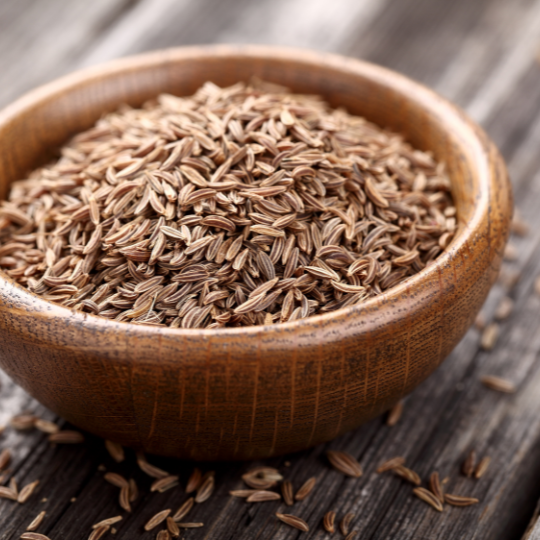
Cumin seeds are a popular spice in India and flavor food well, with other health benefits. Cumin has a specific scent and flavor, and its health benefits add to the spice. The phytochemical molecule present in cumin is cumin aldehyde, which is said to have many therapeutic benefits. Read this blog till the end to know some of the best cumin seeds benefits and how these tiny seeds can benefit us.
Cumin Seeds Nutrition Facts & Value:
Before delving into the cumin seeds’ benefits, let us check their nutritional profile. It packs incredible phytocompounds in terms of terpenes, phenols, flavonoids, and alkaloids. Health benefits come from these antioxidants, which reduce inflammation and free radical injury. Just one teaspoon can provide about 20% of the iron intake. Clearly, cumin seeds are nutritional powerhouses, which is why they especially suit women suffering from anemia and children needing lots of iron for growth.
What Are the Health Benefits of Cumin Seeds?
1. Cumin Seeds Benefits
Cumin stimulates pancreatic enzymes and helps digest food. It is one of the most gut-friendly spices. Flatulence and other digestive problems might be reduced by consuming cumin water on an empty stomach.
2. Cure for Hemorrhoids:
Dietary fiber and antimicrobial properties present in cumin make it effective against hemorrhoids.
3. Benefits of Cumin Tea to Nursing Mothers:
Cumin seeds are pure blessings for lactating mothers. Its iron-rich contents help recover iron levels after delivery and promote breast milk. Besides, cumin seeds work to soothe the more typical post-delivery indigestions like bloating and indigestion during a smoother recovery phase. They are packed with vitamins, minerals, and other nutrients to support maternal health while also improving the quality of breast milk. Hence, all this means that while cumin nurtures the mother, it also nurtures the infant.
Cumin seeds are valuable because of their rich iron content since they promote breast milk production, improve digestion, and relieve gastrointestinal discomfort. You may also like:
Incredible Health Benefits of Fennel Seeds and How to Use Them
4. May be Beneficial for Treating Anemia:
Cumin seeds are rich in iron concentration, which is essential for hemoglobin production and the development of red blood cells. Thus, adding cumin to the diet can be very helpful in the management of anemia.
5. Anti-Inflammatory Properties:
From the antioxidants in cumin seeds came their oxides, anti-inflammatory agents. Oxidative stress and inflammation, inhibited through thymoquinone, help protect the liver against diabetes, heart disease, and possible malignancies. The benefits are also notable in skin-related issues, such as acne and allergic responses.

How to Include Cumin in Your Diet:
Best ways to add cumin to your everyday cooking:
Cumin powder is used for sprinkling over salads and soups or any dishes.
To roast cumin seeds to garnish curd or buttermilk
In curries, stews, and meat recipe rubs:
Preparing cumin tea boils in water with cumin seeds for refreshing and health-improving drinks. You may also read : Natural bloating remedies: Effective home remedies for a bloated stomach.
Cumin tea may aid weight loss (Jeera Water):
Cumin water is advisable because of its weight-loss characteristics. Simply take two teaspoons of cumin seeds and boil them in two cups of water. Cool, strain, and drink. This herbal tea can improve digestion and reduce the acidity of the stomach for fat loss when people drink it before eating.
Additional Cumin Seed Benefits:
Much more than an excellent spice, cumin seeds are good for overall well-being. They have worked great miracles in healing one’s skin from acne and other inflammatory disorders, as they contain a lot of antioxidants. Cumin seeds also improve metabolic functions, enhancing nutrient absorption. Thus, a great addition to any diet. Cumin seed benefits also include detoxifying the body, improving the respiratory system, and helping with chronic ailments like arthritis and high blood pressure. According to Healthline, cumin contains antioxidants that support digestion and overall health. https://www.healthline.com/nutrition/9-benefits-of-cumin
Regular incorporation of cumin seeds in your meals will no doubt be the secret behind many transformations in your entire health.
Frequently Asked Questions (FAQs)
Can I drink jeera water every day?
Yes, drinking jeera water in moderation is generally safe for most people. It may help support digestion and metabolism when combined with a balanced diet.
When to take cumin seeds?
The best time to take cumin seeds is in the morning on an empty stomach as jeera water, or after meals to support digestion.
Is cumin good for acidity and gas?
Yes, cumin is traditionally used to support digestion and may help reduce acidity, bloating, and gas when used in small amounts.
Can cumin seeds help in weight loss?
Cumin seeds may help support weight management by improving digestion and controlling appetite. However, results depend on overall lifestyle and diet.
Are there any side effects of cumin seeds?
Excess consumption of cumin may cause acidity or discomfort in some people. Pregnant women and people on medication should consult a doctor before regular use.
Can I take cumin seeds at night?
Yes, cumin can be taken at night in small amounts, especially after meals to aid digestion. Avoid excess intake before bedtime.
To Sum it Up:
Although cumin seeds cause immunity and help in weight loss and digestion, they are a hallmark of many health benefits. But again, moderation is very important. Large quantities of cumin can cause a sharp decline in blood sugar levels and are not suitable for pregnant women. That way, even when consumed daily, the generalized benefits of cumin will flow without any side effects and intense qualities—one part of the sun spice at a time. Go check out the amazing benefits of cumin seeds in your meals.
Note/Disclaimer- This article or any content on this website/blog is not medical advice. It is advised to please consult your doctor/dietician to check side effects as per your health conditions. Pregnant women, people with allergies, or those on medication always make sure to consult your doctor if you’ve had/have any medical history.